
Identify the functions affected by the planned isolation
Give the site supervisor the work period and the people who will remain in the building or on the project. Have the responsible building or plumbing contact identify which toilets, sinks and supply points the planned work affects. This is a request for their assessment, not an instruction for crews to isolate, reconnect or test plumbing themselves.
Record toilet use and handwashing separately. A bathroom door that remains unlocked does not establish that its toilet or basin can be used during the works. Similarly, a tap proposed for rented equipment may be on the supply that is being shut off. Ask what remains available throughout the relevant hours, including any occupied part of the property outside the immediate work area.
Compare an operational alternative with independent temporary provision
If another fixed bathroom is proposed, obtain confirmation that the intended workers may use it, that its required services remain operational and that the route is practical during the work. Do not count a tenant-only bathroom, a locked floor or an unconfirmed neighbouring facility simply because it is nearby. Where a usable alternative cannot be confirmed, explain the unresolved need to the provider and site lead.
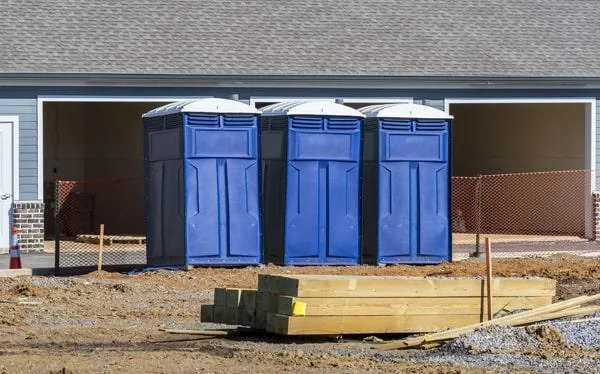
A standard portable cabin supplies a private toilet with waste held for provider servicing; it does not itself provide a running-water sink. Discuss appropriate accessible equipment and an approach that the intended users can use. A separate wash station needs its agreed clean water, soap, drying and used-water care. Ask about a self-contained arrangement if the building supply will be unavailable, rather than assuming a temporary connection can be made.
Enhanced cabins or trailers may offer different fittings, but those features and any power, water or other support must be checked for the actual model. Equipment that depends on the service being interrupted would not resolve that dependency merely by standing outside the building. Give the supplier the confirmed utility limitations before accepting its proposal.
Fit the temporary position into the shutdown sequence
Agree a property-permitted standing area, door space and worker approach that do not depend on passing through the affected work zone. Separately identify the provider’s delivery, servicing and recovery approach, including actual gates, surface conditions and handling constraints. Have the provider assess the position; a drawing or available corner is not proof of suitability.
Coordinate the point at which people stop relying on the affected bathroom with the point at which the alternative is actually ready for use. Delivery dates, equipment setup and the project’s utility isolation are separate activities with separate responsible contacts. If the necessary facilities are not ready, the site lead must resolve that gap before treating the planned arrangement as usable; this page does not promise immediate delivery or authorise a shutdown.
Keep the temporary scope clear while the work continues
Request a quotation covering the selected toilets and washing, expected users, full period of need, transport, cleaning, tank service, replenishment and collection. Identify who checks supplies and reports a problem, and who provides repeat entry. The provider’s care arrangement should not depend on an unavailable building tap or an access route the construction team has closed.
If the work period or utility isolation changes, tell the provider which requirement has changed and request an agreed amendment. Before ending temporary provision, have the responsible site team confirm the facilities workers will use next and arrange collection explicitly. Do not move, empty or reconnect rented equipment to accommodate the trades. Keep the accepted service and recovery approach available until the rental is removed.
Questions before you book
Can workers use a bathroom whose fittings are still installed?
Only rely on it when the responsible property team confirms the necessary services, permission and usable access during the work. The presence of a toilet or sink is not enough.
Can a wash station use the same tap that the renovation will disconnect?
Do not assume that supply remains available. Tell the provider about the planned isolation and ask for an appropriate expressly supported water and used-water arrangement.
Does a self-contained toilet also provide handwashing?
Not necessarily. Confirm the actual fittings and arrange a separate suitable washing provision where needed.
Who coordinates delivery with the plumbing shutdown?
Name a site contact to coordinate with the property or trade team and the equipment provider. A requested delivery date is not itself confirmation that the temporary facilities are ready.