
Separate the waste questions
List household contents, construction material and heavy debris clearly. Ask about excluded items and special handling before loading chemicals, batteries, liquids, appliances or anything uncertain. The accepted material list should be part of the arrangement.
Explain how the container will be loaded and whether the work occurs in stages. Volume alone may not settle the choice because weight and access also matter.
When planning a clearance, distinguish the contents actually being discarded from goods that are being moved or stored. Give the provider the disposal load, not the contents of the entire room. For renovation work, describe the material being removed as well as anything already awaiting disposal. Photographs or an item description can support that conversation without establishing acceptance on their own.
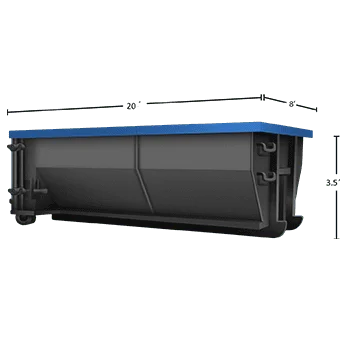
Compare the proposed container with the kind of load, not just the apparent pile size. Bulky furniture or packaging can use substantial space while a compact load of dense debris raises a different weight question. Ask which offered size and loading limit suit your description, and whether separate arrangements are needed. Choosing the largest box by default does not resolve its accepted contents, weight allowance or suitability for the property.
Plan placement and removal together
Give the address, surface, entrance and overhead or turning constraints. Leave loading room without blocking buildings, shared drives or portable restroom servicing. Ask the provider to assess the actual vehicle approach.
Compare container, loading limits, rental duration, transport and disposal terms. Confirm how pickup or an exchange is requested, including any additional charges that may apply.
Decide who will put the material in the container and how they expect to do it. Container hire is not automatically a clearance crew, sorting service or loading appointment. Ask about the actual equipment features and instructions before relying on a loading door or a particular method. Keep items awaiting a disposal decision out of the load, and do not use the placement area to store possessions that must remain accessible.
Match the quoted period to the work rather than treating a delivery date as the whole booking. State when material will first be ready, whether more work follows and any deadline for clearing the space. Ask how to request collection and what happens if work finishes earlier or later. A full container or an empty property does not by itself confirm that a collection visit has been arranged.
Read the proposed hire as one defined service: the accepted load and container, the period on site, delivery and removal, disposal basis, and the process for changes or an additional container. Resolve a difference between that proposal and the actual job before ordering. Keep the accepted conditions available to the person supervising loading, so a useful equipment choice is not undermined by an unagreed addition.
Questions before you book
Can a container take any renovation waste?
Confirm the specific materials and exclusions before loading. Some items need separate handling.
What if the container fills before the work is finished?
Ask about an exchange or another agreed arrangement before exceeding the loading limits.
Should I describe everything in the room when requesting a cleanout container?
Explain what will actually be discarded and identify uncertain items. Goods being kept or moved are not part of the disposal load, and their presence does not establish what the container may take.
Does choosing a bigger container remove the need to discuss weight?
No. Space and permitted load are different questions. Ask the provider to match the material, expected amount and property to the actual offered container and its conditions.