
Start at the entrance and follow the movement
Describe gates, tight turns, overhead obstructions and changes in surface. Ask for the clearances required by the proposed equipment. Identify who controls the property and any shared access so the confirmed position remains available.
Discuss surface protection where appropriate and keep the loading door accessible. Avoid placing the container where it obstructs a restroom approach or an entrance that must stay open.
Compare the proposed position for the box with the place where the vehicle needs to work. A marked parking space can look suitable for the container while leaving no usable approach or handling position. Give the provider both parts of the proposal, including who can authorise access. Do not commit the position merely because an outline fits on a plan.
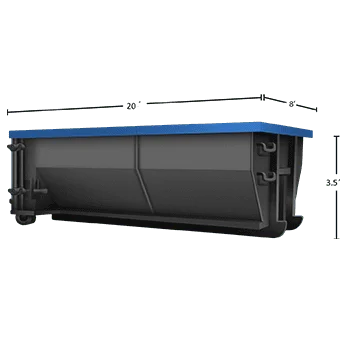
Choose the format for how the project will load material. An ongoing renovation and a single prepared clearance may need different periods and loading arrangements even at the same address. The term roll-off does not tell you the available size, capacity, loading-door design or accepted debris. Confirm those points for the actual equipment, including how volume and weight affect the allowed load.
Where equipment has an offered loading door or other loading feature, follow the provider’s instructions and preserve the space needed to use it. That space is not a substitute for the vehicle’s working area. Keep ordinary pedestrian and sanitation access separate from the handling movement, and ask about an alternative position if the proposed arrangement cannot accommodate both.
Keep the next trip possible
Follow the agreed material and fill limits. For staged work, ask how an exchange is arranged and how transport, disposal and time on site are charged. Do not keep adding material above the agreed limit while waiting for a visit.
Clear the handling route for collection and tell the provider if parked vehicles or site work have changed it. Check public-space requirements separately if the proposed position is outside private property.
An exchange is a separate movement: removal of the loaded container and provision of the next one if agreed and available. State whether further material is already waiting or a later stage will produce it, and obtain an actual arrangement for that stage. Do not treat an earlier delivery as a standing appointment for repeated exchanges or assume that the next load has the same disposal conditions.
For recovery, name the person who can make the agreed entrance and handling area available, including after the main workers leave. Confirm the hire end and collection process, any proposed extension, the included transport and disposal scope, and how extra movements are priced. If access changes, raise it before the visit rather than attempting to reposition the container or expecting the vehicle to use a different entrance without assessment.
Questions before you book
Can the box fit even when the delivery truck cannot?
Yes. Assess the complete approach and handling movement with the provider.
Can workers move the container with site equipment?
Ask for an approved relocation arrangement rather than assuming customer movement is permitted.
Does roll-off describe the amount of waste a container can take?
It describes the container-handling format, not a single size or permitted load. Discuss the actual material, amount and offered equipment separately.
Is an exchange automatically included when the first container fills?
Confirm the next movement and its terms with the provider. A request for one hire does not establish a replacement appointment, accepted replacement load or uninterrupted availability.